Best Home Solar System Configurations for Lagos in 2026: Complete Guide to Reliable 24/7 Power
Many homes in Lagos now receive as little as 4 hours of grid electricity per day in some areas. Because of this, installing a reliable solar power system is no longer just a convenience — it has become a practical solution for maintaining consistent electricity at home.
This guide explains the best solar system configurations for Lagos homes in 2026, how to size a system correctly, typical installation costs, and the components required to build a dependable setup.
Key Takeaways
What is the best solar configuration for most Lagos homes?
A hybrid solar system with battery storage is usually the best option. It combines solar panels, PHCN grid power, and generator backup to provide consistent electricity even during long outages.
How much does a typical 5 kW solar system cost in Lagos?
In 2026, a quality 5 kW home solar system in Lagos typically costs between ₦3.4 million and ₦6.0 million installed, depending on battery capacity, inverter quality, and installation complexity.
Which components are required?
A complete solar system normally includes:
- Solar panels
- Inverter
- Battery storage
- Mounting structures
- Electrical protections and wiring
- Monitoring system
Professional installation and maintenance are also important for long-term reliability.
Is off-grid better than grid-tied in Lagos?
For most homes, hybrid systems work better than fully off-grid or purely grid-tied systems. Hybrid systems allow you to use solar power while still keeping grid or generator backup available.
Can solar replace a generator completely?
A properly designed hybrid solar system can reduce generator use by 70% or more, and in some homes eliminate it entirely.
Understanding Energy Needs in Lagos Homes
Every household in Lagos has different electricity needs. Some homes only need basic power for lighting and small electronics, while others require electricity for larger appliances.
Basic power needs often include:
- Lights
- Fans
- Phone charging
- Television
More advanced setups may include:
- Refrigerators
- Water pumps
- Home office equipment
- Air conditioning
Before installing a solar system, professionals usually evaluate several factors:
- Daily electricity consumption
- Night-time energy needs
- Roof size and sunlight exposure
- Backup requirements during outages
For many Lagos households, systems between 3.5 kVA and 5 kVA are a practical starting point.
Three Main Solar System Configurations
Grid-Tied Solar Systems
Grid-tied systems are connected directly to the PHCN grid. Solar panels provide electricity during the day while the grid supplies power when solar production drops.
However, without batteries these systems usually shut down during blackouts.
Off-Grid Solar Systems
Off-grid systems operate independently from PHCN. They rely entirely on solar panels and battery storage, sometimes supported by a generator.
These systems are useful in locations with extremely poor or unreliable grid access.
Hybrid Solar Systems (Most Recommended)
Hybrid systems combine several power sources:
- Solar panels
- Battery storage
- PHCN grid connection
- Optional generator backup
This configuration allows homes to maintain electricity during outages while still using solar power to reduce generator fuel costs.
For most Lagos homes, hybrid systems provide the best balance of reliability and cost efficiency.
Example Solar System Sizes and Estimated Costs (2026)
Home Type System Size What It Can Power Estimated Cost1–2 Bedroom Flat3.5 kW Lights, fans, TV, router, small fridge₦2.2M – ₦3.5M3–4 Bedroom House5 kW Essentials, fridge, pump, small AC during daytime₦3.4M – ₦6.0MLarge Duplex6–10 kW Multiple AC units, pumps, home office₦6.5M – ₦13.0M
Actual costs may vary depending on battery type, inverter capacity, and installation complexity.
Solar Panel Pricing in Lagos (2026)
Under Lagos sunlight conditions, each 1 kW of solar panels can produce roughly 4–5 kWh of electricity per day.
Typical panel prices in 2026 include:
- 200 W panels: ₦50,000 – ₦65,000
- 300 W panels: ₦70,000 – ₦85,000
- 550 W panels: ₦130,000 – ₦150,000
- 600 W and above: ₦148,000 – ₦165,000
Proper roof orientation and shading analysis are important to achieve the best performance from solar panels.
Battery Storage for 24-Hour Power
Battery storage is what allows a solar system to provide electricity at night or during grid outages.
Without batteries, solar panels can only power your home when the sun is shining.
Modern lithium batteries store excess solar energy during the day and release it when needed. This helps maintain a stable electricity supply throughout the day and night.
Battery storage also reduces generator usage and protects sensitive electronics during sudden grid failures.
Inverters and Smart Monitoring
The inverter is one of the most important components of a solar system. It converts electricity from solar panels into usable power for household appliances.
For many Lagos homes, a 5 kW solar system typically uses a 5 kVA inverter or slightly higher capacity to handle power surges from appliances like pumps or air conditioners.
Many modern systems also include smart monitoring tools that allow homeowners to track energy production and battery levels through a mobile app.
Installation and Safety Considerations
The long-term reliability of a solar system depends heavily on installation quality.
Professional installation should include:
- Proper cable routing and insulation
- Correct circuit breaker sizing
- Secure panel mounting structures
- Safe integration with generators
- Protection against electrical faults
Regular inspections are also recommended, especially in Lagos where humidity and heavy rains can affect electrical components.
Solar Solutions for Estates and Shared Compounds
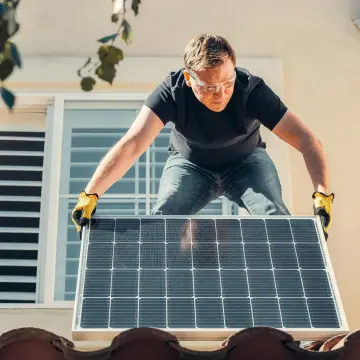
Some estates and residential compounds are beginning to install mini-grid solar systems that power multiple homes from a shared solar installation.
These systems can power communal services such as:
- Street lighting
- Water pumping systems
- Security infrastructure
Mini-grid systems also reduce generator noise and fuel consumption across the entire community.
Solar Investment and Payback Period
Although solar systems require significant upfront investment, they can reduce long-term energy costs.
If a 5 kW hybrid solar system costs ₦3.4M to ₦6.0M and reduces generator fuel consumption by 60–80%, the typical payback period is around 4 to 7 years.
Lithium batteries generally cost more initially but last longer, while tubular batteries are cheaper upfront but may require replacement sooner.
Typical Solar Installation Process
A professional solar installation usually follows several steps:
- Energy usage assessment
- Site survey and roof inspection
- Solar system design
- Component selection
- Installation and testing
- System monitoring and maintenance support
Proper planning helps ensure the system meets household power needs reliably.
Conclusion
As electricity supply challenges continue in Lagos, solar energy has become one of the most practical solutions for maintaining reliable power at home.
For most households in 2026, a well-designed hybrid solar system offers the best balance of reliability, cost savings, and energy independence.
By combining solar panels, battery storage, and backup power sources, homeowners can significantly reduce generator usage and maintain stable electricity throughout the day.