Understand the real cost of reliable solar energy for your Nigerian home or business.

Quick Summary / Key Takeaways
- A complete solar system price in Nigeria typically ranges from ₦1.5 million to ₦15 million or more, depending on your power needs and system design.
- The biggest cost drivers are system size, inverter capacity, battery type, and installation complexity.
- Quality components and proper installation matter. They improve reliability, reduce generator use, and lower long-term costs.
- A well-designed system often performs better than a larger but poorly matched setup, delivering better value over time.
- Understanding your daily energy use and future needs helps you invest in a system that delivers steady power and real energy independence.
Introduction

Across Nigeria, the need for steady electricity is a shared reality. Power interruptions disrupt daily life, slow down businesses, and push households toward generators with rising fuel and maintenance costs.
A complete solar system offers a more dependable path forward. It allows homes and businesses to generate and store their own electricity, reducing reliance on the grid and cutting long-term energy expenses. But understanding the price of a complete solar system in Nigeria means looking beyond panels alone.
The real cost comes from how all the parts work together—solar panels, inverter, batteries, mounting, and professional installation. Each plays a role in how reliable, efficient, and durable your system will be.
This guide breaks down what goes into the price of a complete solar system and what truly matters when investing in solar for Nigerian conditions. The goal is simple: help you make a clear, confident decision that delivers steady power and long-term saving.
Key Factors Influencing Solar System Price in Nigeria
| Factor | Description | Impact on Price | Why it Matters |
|---|---|---|---|
| System Size (kW) | Total power output needed for your appliances. | Higher capacity means higher cost. | Matches your energy demand, prevents blackouts. |
| Battery Type | Energy storage solution (e.g., Lead-Acid, Lithium-ion). | Lithium-ion costs more but lasts longer. | Determines how long your power lasts without sun. |
| Inverter Size | Converts solar power for home use. | Larger inverters handle more appliances. | Ensures all your devices run smoothly and safely. |
| Installation | Labor, mounting, wiring, and system setup. | Complex setups cost more. | Professional installation guarantees safety and efficiency. |
Estimated Complete Solar System Prices in Nigeria (by System Size)
| System Size (kVA) | Typical Use Case | Estimated Price Range (Naira) | Key Components Included |
|---|---|---|---|
| 1-2 kVA | Small home/apartment (lights, fan, TV) | N1,500,000 - N3,000,000 | 2-4 panels, 1-2kVA inverter, 1-2 batteries |
| 3-5 kVA | Medium home/office (fridge, AC, lights) | N3,500,000 - N7,000,000 | 6-10 panels, 3-5kVA inverter, 2-4 batteries |
| 7-10 kVA | Large home/business (multiple ACs, freezer) | N8,000,000 - N12,000,000 | 12-20 panels, 7-10kVA inverter, 4-8 batteries |
| 15 kVA+ | Commercial/industrial (heavy loads) | N15,000,000+ | 25+ panels, 15kVA+ inverter, 8+ batteries |
Application Preparation Checklist
- Assess your daily energy consumption to determine accurate system sizing.
- Get multiple quotes from reputable solar installers in Nigeria.
- Verify installer credentials, experience, and customer reviews.
- Understand all components included in the quote, especially battery type and warranty.
Post-Arrival Checklist
- Schedule regular maintenance checks for your solar panels and batteries.
- Monitor your system's performance to ensure optimal energy generation.
- Keep your solar panels clean to maximize efficiency.
- Stay informed about warranty terms and contact information for support.
Table of Contents
Section 1: Understanding Solar System Components and Their Costs
- What are the main components of a complete solar system?
- How do solar panel types affect the overall price?
- What role does the inverter play in system cost?
- Why are batteries such a significant part of the solar system price?
Section 2: Factors Driving Solar System Prices in Nigeria
- How does my energy consumption impact the solar system price?
- What is the average complete solar system price in Nigeria for a home?
- Do installation costs vary much across Nigeria?
- How does system quality affect long-term costs and savings?
Section 3: Getting the Best Value for Your Solar Investment
- What questions should I ask a solar installer in Nigeria?
- How can I accurately calculate my energy needs for a solar system?
- Is it cheaper to buy solar components separately or as a package?
- What are the benefits of investing in higher-quality solar components?
Section 4: Long-Term Benefits and Maintenance
- How long do solar systems typically last in Nigeria?
- What maintenance is required for a complete solar system in Nigeria?
- How much can I save on generator fuel with a solar system in Nigeria?
Frequently Asked Questions
Section 1: Understanding Solar System Components and Their Costs
FAQ 1: What are the main components of a complete solar system?
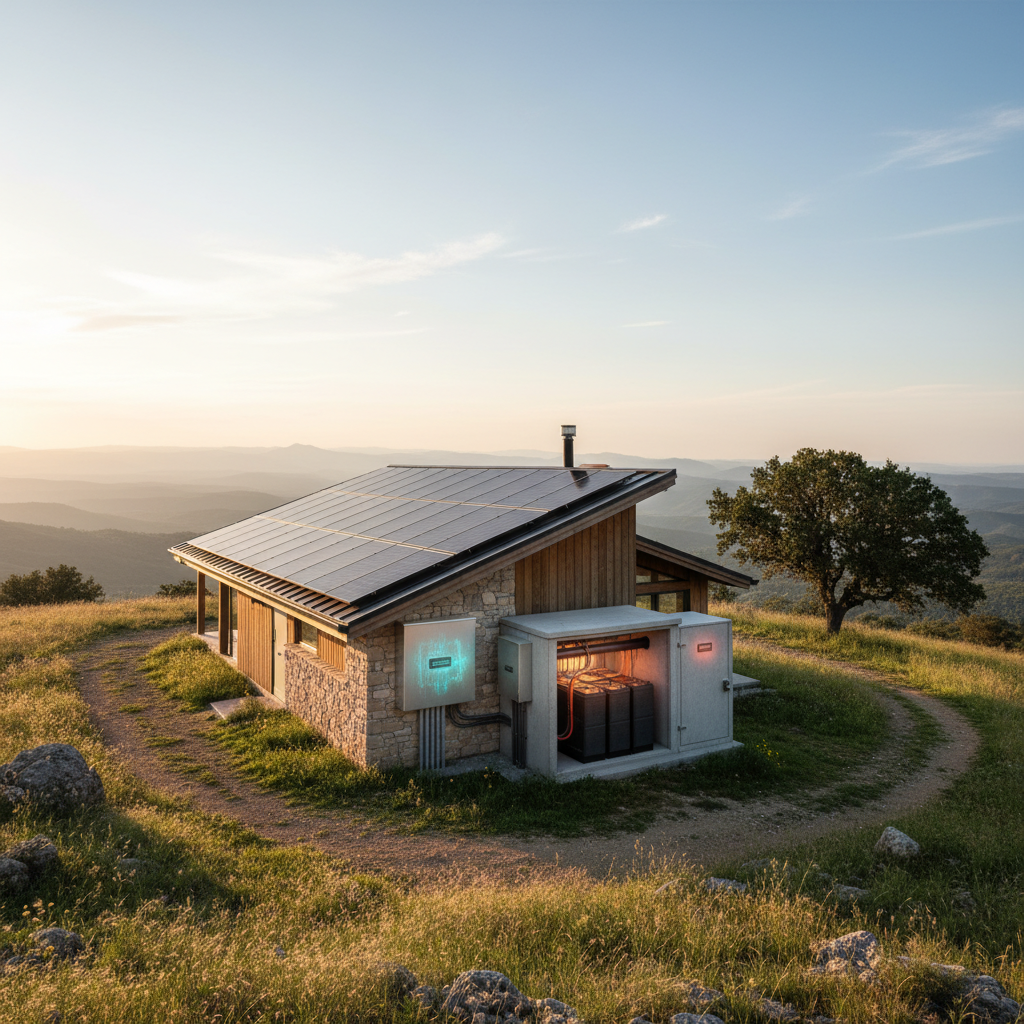
A complete solar system is made up of a few key components that work together to deliver steady electricity for your home or business.
Solar panels capture sunlight and convert it into electrical energy. In Nigeria’s solar belt, with up to 9 hours of sunshine daily, panels are the foundation of the system’s performance.
The inverter converts that energy into usable power for your appliances. It also manages how power flows between solar, batteries, and the grid, keeping electricity stable.
Batteries store excess energy generated during the day so you can use it at night or during outages. Battery type and capacity play a major role in both system reliability and overall cost.
Charge controllers and protection devices regulate charging and protect the system from overloading, voltage spikes, and heat-related stress—helping components last longer.
Mounting structures, wiring, and cabling secure the panels and connect the system safely. Quality installation here matters just as much as the major components.
When these parts are properly matched and installed, they form a system designed for Nigerian conditions—quiet, reliable, and cost-effective over the long term.
FAQ 2: How do solar panel types affect the overall price?
Solar panel type plays a big role in both the upfront cost and long-term value of a solar system.
Monocrystalline panels cost more initially, but they produce more power in less space and perform better in Nigeria’s heat. Because they are more efficient, fewer panels are needed, which often improves long-term savings and system reliability.
Polycrystalline panels are cheaper upfront but less efficient. They usually require more panels to deliver the same output, which can affect performance over time.
Thin-film panels have the lowest efficiency and need much more space, making them less suitable for most homes and small businesses.
FAQ 3: What role does the inverter play in system cost?
The inverter is one of the biggest drivers of a solar system’s cost because it controls how power is converted, managed, and protected in your home or business.
In Nigeria, the inverter typically accounts for about 15%–30% of the total system cost. Larger inverters cost more because they support higher loads and more appliances. Hybrid inverters are also priced higher because they manage solar power, batteries, and grid supply seamlessly.
Quality matters here. A reliable inverter delivers steady power, protects sensitive appliances, and helps batteries last longer. Efficient models can also improve energy use by up to 20–30%, which lowers waste and supports long-term savings.
Choosing the right inverter upfront helps avoid instability, early replacements, and higher costs later.
FAQ 4: Why are batteries such a significant part of the solar system price?
Batteries matter because they make solar power reliable in Nigeria. They store energy generated during the day so your home or business stays powered at night and during outages.
In 2025, batteries often make up around 40%–60% of a solar system’s cost. This depends on the type and capacity you choose. Lithium batteries cost more upfront but last 10–15 years, allow deeper use of stored power, and reduce replacement costs over time. Lead-acid batteries are cheaper initially but usually need replacing sooner.
The more backup time you want, the more battery capacity you’ll need—and that directly affects price. While batteries increase upfront cost, they are what reduce generator use, fuel spending, and power interruptions long term.
Section 2: Factors Driving Solar System Prices in Nigeria
FAQ 5: How does my energy consumption impact the solar system price?
Your daily power use sets the price of your solar system. Plain and simple.
If you use more electricity, you need more panels to generate it, a larger inverter to handle peak loads, and more batteries to keep power running at night or during outages. Batteries are often the biggest cost, so usage levels matter.
In 2025, light-use homes may only need a small system. Homes or businesses with heavier demand need larger setups. They cost more upfront, but they also replace higher generator fuel and repair costs over time.
This is why energy assessment comes first. It helps size the system to how you actually live or work—so power stays steady without paying for more than you need.
FAQ 6: What is the average complete solar system price in Nigeria for a home?
For most homes in Nigeria, a complete solar system typically costs between ₦1.5 million and ₦7 million, depending on how much power the household uses.
Small homes with light needs—lights, fans, TV, and basic appliances—often fall in the ₦1.1M to ₦2M range with a 1kW–2kW system. Medium-sized homes that run fridges, pumps, and longer backup hours usually need 3kW–5kW systems, which commonly cost ₦2M to ₦3.6M+. Larger homes with heavier loads may require 10kW systems, starting from around ₦6.6M.
The final price depends on system size, battery capacity, inverter quality, and how the system is designed—not just the panels alone.
FAQ 7: Do installation costs vary much across Nigeria?
Yes, installation costs for solar systems can vary across Nigeria due to factors Yes, installation costs can vary across Nigeria, mainly due to location and site conditions.
Homes in major cities often have lower logistics costs, while remote or hard-to-reach areas may require additional transport time and expenses. Installation complexity also matters. Roof height, roof type, wiring distance, and mounting requirements can all affect labour time and cost.
It’s also worth noting that experienced installers may charge slightly more, but that usually reflects better system design, safer installation, and stronger after-sales support—things that protect your investment over time.
FAQ 8: How does system quality affect long-term costs and savings?
System quality has a direct impact on how much you spend—and save—over the life of your solar system.
High-quality components last longer and work more efficiently in Nigeria’s heat and grid conditions. Premium panels produce more power from the same sunlight. Reliable hybrid inverters keep voltage steady and protect appliances. Modern lithium batteries often last 10–15 years, compared to 2–4 years for lower-grade options.
Lower-quality systems may cost less at the start, but they tend to need earlier battery replacements, inverter repairs, and more maintenance. Over time, these extra costs can exceed the price difference of a better system. Quality systems also generate more usable energy, helping most homes recover their investment within about 3–5 years through fuel and electricity savings.
Section 3: Getting the Best Value for Your Solar Investment
FAQ 9: What questions should I ask a solar installer in Nigeria?
The installer you choose matters as much as the system itself. A good installer helps you get steady power today and protects your investment long term.
Ask about their experience in Nigeria. Local conditions like heat, dust, and grid instability affect performance, so proven experience matters.
Ask which components they use and why. Trusted installers are clear about panel, inverter, and battery quality—and avoid used or unverified equipment.
Ask about warranties and support. Confirm coverage for both equipment and installation, and make sure help is available after setup.
Ask if they assess your energy needs before quoting. A proper energy review ensures your system is sized correctly and avoids unnecessary costs.
FAQ 10: How can I accurately calculate my energy needs for a solar system?
The best way to size a solar system is to start with how you actually use power each day.
Begin by listing the appliances you want to run—lights, fans, fridge, TV, air conditioners, pumps. Check the power rating on each appliance and estimate how many hours you use it daily. Multiply the wattage by the hours of use, then add everything together. This gives your daily energy needs.
Next, think about peak usage. Consider which appliances may run at the same time, especially items like fridges or air conditioners that draw extra power when starting. This helps determine the right inverter size so your power stays steady during busy periods.
Finally, decide how much backup you want at night or during outages. This guides battery size and ensures your system supports your lifestyle, not just daytime use.
A proper energy assessment removes guesswork. It helps design a system that fits your needs today and continues to deliver long-term value.
FAQ 11: Is it cheaper to buy solar components separately or as a package?
In most cases, buying a complete solar system as a package is more cost-effective and more reliable than sourcing components one by one.
When components are bundled by a reputable installer, they are designed to work well together. Panels, inverter, and batteries are properly matched, which improves performance and reduces the risk of faults. Package pricing also often includes installation, safety equipment, and system testing, removing hidden costs later.
Buying components separately may look cheaper at first, but it often leads to problems. Mismatched parts can reduce efficiency, shorten battery life, or cause inverter issues. Warranties may not apply if components are not installed or paired correctly, and installation costs can rise as technicians spend extra time fixing compatibility issues.
For Nigerian conditions—heat, dust, and grid instability—a well-designed package offers better protection, steadier power, and clearer long-term costs. If you’re unsure which setup fits your needs, a quick system review with an experienced installer can help you avoid costly mistakes and choose a solution that delivers steady power long term.
FAQ 12: What are the benefits of investing in higher-quality solar components?
Higher-quality solar components deliver more reliable power and better value over time. While they may cost more upfront, they are built to perform well in Nigerian conditions and reduce future expenses.
Quality solar panels generate more usable energy each day. Reliable inverters keep voltage steady and protect your appliances. Well-made batteries last longer, meaning fewer replacements and less disruption over the years.
The result is a system that runs smoothly, needs less attention, and delivers consistent savings by reducing generator use and electricity bills. For many homes and businesses, this also means faster payback and greater confidence in their power supply.
Section 4: Long-Term Benefits and Maintenance
FAQ 13: How long do solar systems typically last in Nigeria?
A properly designed solar system can serve a home or business in Nigeria for 20 to 25 years or more. The key is quality components, correct installation, and simple ongoing care.
Solar panels last the longest. Most quality panels continue producing reliable power for 25 years, even under Nigeria’s heat. Inverters work harder and usually need replacement once during that time, often after 7 to 15 years, depending on quality and ventilation.
Battery lifespan depends on the type used. Lead-acid batteries typically last 3 to 5 years, while lithium batteries can last 10 to 15 years when properly managed. Mounting structures and wiring also last many years when installed correctly and protected from dust and moisture.
Regular cleaning and basic system checks help everything perform well for longer, especially during harmattan season. If you’re planning long term, choosing the right components from the start makes the biggest difference. A professional system review can help set clear expectations for lifespan and future upgrades.
FAQ 14: What maintenance is required for a complete solar system in Nigeria?
Solar systems are low maintenance, but regular care keeps them performing at their best.
The main task is cleaning the panels. Dust, especially during harmattan, can reduce power output if left to build up. Cleaning every few months—and more often in dusty periods—helps maintain steady energy.
Batteries and inverters need simple checks. Batteries should be kept cool and clean. Inverters need good ventilation and protection from dust and power surges.
An annual professional check is also important. This confirms that wiring, protection devices, and system output are all working as they should.
At Sunplenti, we don’t stop at installation. Our team supports you with monitoring, routine checks, and maintenance guidance, so your system keeps delivering reliable power over the long term.
FAQ 15: How much can I save on generator fuel with a solar system in Nigeria?
For many Nigerians, generator fuel is a constant expense. It adds up every week. A well-designed solar system changes that.
With solar covering daily power needs and batteries supporting night use, most homes and businesses reduce generator fuel spending by 70–90%. Some stop using generators altogether, except as rare backup. In 2025, that often means saving tens or even hundreds of thousands of naira each month, depending on usage.
Because fuel is a recurring cost, these savings compound quickly. Many solar systems recover their cost within 3–5 years through fuel savings alone. After that, the power you use is largely free—quiet, predictable, and stable.
At Sunplenti, systems are designed around how you actually use electricity. That’s what makes fuel savings realistic and sustainable over the long term.