Solar Power in Nigeria: Your Guide to Steady Electricity and Savings
Discover how solar brings reliable power and cuts costs for homes and businesses.

Quick Summary / Key Takeaways
- Solar power provides steady, reliable electricity in Nigeria by generating energy from sunlight and storing it in batteries, reducing outages and generator use.
- Solar lowers long-term energy costs by removing fuel expenses, reducing electricity bills, and protecting homes and businesses from rising tariffs.
- The performance of a solar system depends on proper design, quality components, and professional installation—not just the upfront price.
- Solar power delivers real energy independence, allowing Nigerians to generate and manage their own electricity instead of relying on the grid or fuel supply.
- Simple, routine maintenance helps solar systems perform efficiently for decades, protecting long-term savings and system reliability.
Introduction
Living in Nigeria means planning around power interruptions. For homes and businesses alike, unreliable electricity affects comfort, productivity, and monthly expenses, often pushing people toward generators with rising fuel and maintenance costs.
Solar power offers a smarter path forward. With the right system, you can enjoy steady electricity, lower running costs, and fewer disruptions—without the noise or uncertainty of fuel. It’s not about chasing trends. It’s about taking control of your power in a way that works for Nigerian conditions.
This guide explains how solar power works in Nigeria, what it costs, and what really matters when choosing a system. The goal is simple: help you make confident decisions that lead to reliable power and long-term savings.
Solar Power vs. Generator in Nigeria

| Feature | Solar Power System | Diesel Generator | Value for Nigeria |
|---|---|---|---|
| Reliability | Consistent power, always available | Intermittent, depends on fuel | High |
| Running Cost | Very low (sunlight is free) | High (fuel, maintenance) | Very High |
| Noise/Pollution | Silent, clean energy | Loud, smoky, polluting | Very High |
| Lifespan | 20+ years (panels), 5-10 years (batteries) | 5-10 years (engine, with maintenance) | High |
Key Components of a Solar Power System
| Component | What It Does | Why It Matters | Practical Tip |
|---|---|---|---|
| Solar Panels | Capture sunlight, convert to electricity | The heart of your system | Choose high-efficiency panels. |
| Inverter | Changes DC to AC power | Powers home appliances safely | Pick a reliable, efficient inverter. |
| Batteries | Store excess energy | Provides backup power for night/clouds | Match battery size to usage. |
| Charge Controller | Manages battery charging | Protects batteries, extends life | Essential for system health. |
Application Preparation Checklist
- Assess your daily electricity needs and identify essential appliances.
- Get a professional site survey to check sunlight exposure and roof space.
- Request detailed quotes from reputable solar installers like Sunplenti.
- Understand the warranty and maintenance plan for your chosen system.
Post-Arrival Checklist
- Monitor your system's performance regularly to ensure optimal output.
- Schedule routine checks and cleaning for solar panels and components.
- Keep an eye on battery health and plan for eventual replacements.
- Re-evaluate your energy needs periodically to see if system adjustments are needed.
Table of Contents
Section 1: Understanding Solar Power in Nigeria
- How does solar power work for homes and businesses in Nigeria?
- What are the main components of a typical solar power system?
- Can solar power truly replace my generator completely?
Section 2: Why Solar is Essential for Nigeria
- What are the biggest benefits of switching to solar power in Nigeria?
- How does solar power save money in the long run compared to grid electricity and generators?
- Is solar power reliable enough to handle Nigeria's electricity demands?
- How does solar power contribute to energy independence for Nigerians?
Section 3: Choosing the Right Solar System
- How do I figure out what size solar system my home or business needs?
- What are the different types of solar panels available, and which is best for Nigeria?
- How important are battery storage and inverter quality for a solar system?
- What should I look for when choosing a solar installer in Nigeria?
Section 4: Installation, Maintenance, and Costs
- What is the typical installation process for a solar power system?
- How much does solar power cost in Nigeria, and what factors influence the price?
- What kind of maintenance does a solar power system require?
- Are there any government incentives or financing options for solar in Nigeria?
Frequently Asked Questions
Section 1: Understanding Solar Power in Nigeria
FAQ 1: How does solar power work for homes and businesses in Nigeria?
Solar power systems turn sunlight into steady electricity you can rely on every day. Panels collect energy from the sun and produce direct current (DC) power. An inverter then converts that power into alternating current (AC), which runs your lights, appliances, and equipment.
When your system generates more power than you need, the excess is stored in batteries. This stored energy keeps your home or business running at night or during outages. The system automatically manages power from solar, batteries, and the grid so electricity stays stable without manual switching.
For many Nigerian homes and businesses, this means fewer generator hours, lower fuel costs, and quieter, more predictable power.
FAQ 2: What are the main components of a typical solar power system?
In Nigeria, a reliable solar power system is built around four core components that work together to deliver steady electricity day and night.
Solar panels capture sunlight and convert it into electricity. Most systems use high-efficiency panels that perform well even in Nigeria’s heat and long sunny days.
The inverter converts that electricity into usable power for your home or business. It also manages where your power comes from—solar, batteries, or the grid—so supply stays stable during outages.
Batteries store excess energy generated during the day. This stored power keeps your lights and appliances running at night or when the grid goes off.
Mounting, wiring, and protection equipment hold everything safely in place and protect the system from voltage spikes, heat, and environmental wear. These details are essential for long-term reliability.
When these components are properly matched and installed, they work as one system—delivering quiet, reliable power and reducing dependence on generators.

FAQ 3: Can solar power truly replace my generator completely?
Yes—solar power can fully replace a generator in Nigeria when the system is properly designed for your actual energy needs. The key is correct sizing. That means installing enough solar panels to handle daytime use and enough battery storage to carry you through the night and early morning.
For many homes and small businesses, a well-sized solar system can comfortably run lights, fans, refrigerators, electronics, and even air conditioners without fuel, noise, or fumes. In 2025, modern battery systems make this more practical than ever.
Some people choose a gradual transition, keeping a small generator only as backup during extended cloudy periods or for unusually heavy loads. But for everyday power needs, solar is capable of doing the job reliably and consistently.
Section 2: Why Solar is Essential for Nigeria
FAQ 4: What are the biggest benefits of switching to solar power in Nigeria?
Switching to solar power in Nigeria delivers clear financial and practical benefits, especially as fuel prices and electricity tariffs continue to rise.
Lower energy costs: Many households and businesses spend ₦50,000–₦100,000 monthly on generator fuel. Solar removes this recurring cost and often pays for itself within 3.5 to 5 years.
Steady, reliable power: Solar systems with batteries keep electricity running during outages—quietly and automatically.
Higher property and business value: Solar-equipped properties can see 15%–25% higher resale value, while businesses benefit from fewer interruptions.
Low maintenance, long lifespan: Solar panels typically last 20–25 years, with batteries lasting 10–15 years when properly installed.
Cleaner living and working spaces: No generator noise, fumes, or constant servicing.
FAQ 5: How does solar power save money in the long run compared to grid electricity and generators?
Solar power saves money over time by removing the most expensive and unpredictable parts of electricity in Nigeria: fuel, frequent repairs, and rising tariffs.
Compared to generators: Once installed, solar uses free sunlight. That means no petrol or diesel costs. Many households save ₦50,000–₦100,000 every month they would otherwise spend on fuel and generator maintenance. Over several years, this adds up to millions of naira in avoided costs.
Compared to grid electricity: Solar can significantly reduce or even eliminate monthly electricity bills. As tariffs increase, your solar system continues to produce power at a fixed cost, protecting you from future price hikes.
Long-term value: Most solar systems recover their upfront cost within 3–5 years. After that, they continue delivering low-cost, reliable power for 20 years or more, with minimal maintenance.

FAQ 6: Is solar power reliable enough to handle Nigeria's electricity demands?
Solar power saves money in Nigeria by removing the most unpredictable and expensive parts of electricity: fuel, frequent repairs, and rising tariffs.
Compared to generators, solar eliminates ongoing fuel costs entirely. Many households spend ₦50,000 to ₦100,000 per month on petrol or diesel. With solar, sunlight is free. Maintenance is also minimal, unlike generators that require regular servicing and repairs.
Compared to grid electricity, solar helps reduce or even eliminate monthly bills. Once installed, your energy cost becomes stable and predictable. This protects you from future tariff increases and inflation over the system’s lifespan.
Most well-designed solar systems recover their initial cost within 3 to 5 years. After that, the electricity you use for the next 15–20+ years is largely free, aside from basic maintenance.
FAQ 7: How does solar power contribute to energy independence for Nigerians?
Solar power gives Nigerians direct control over their electricity by allowing homes and businesses to generate their own energy from sunlight. Instead of depending on an unstable grid or buying fuel for generators, a solar system produces power on-site and stores excess energy in batteries for later use.
This means fewer outages, predictable energy costs, and freedom from fuel price changes or scarcity. With the right system design, solar keeps essential appliances running day and night, even when public power is unavailable. Over time, that control translates into steadier electricity, lower running costs, and long-term confidence in your power supply.
Section 3: Choosing the Right Solar System
FAQ 8: How do I figure out what size solar system my home or business needs?
Start by understanding how you actually use power each day. List the appliances you rely on—lights, fans, fridge, air conditioners, computers—and note their power rating and how many hours you use them. This gives you a clear picture of your daily energy use.
From there, the system is sized around three things:
Your total daily energy need, so the system can run your home or business comfortably.
Your peak load, meaning how many appliances might run at the same time, including high-surge items like fridges or pumps.
Your backup needs, especially for evenings, nights, and outages.
Because heat, dust, and grid instability affect performance in Nigeria, a professional assessment is important. A proper site survey ensures the inverter, panels, and batteries are matched correctly, with enough capacity to stay steady without overspending.
FAQ 9: What are the different types of solar panels available, and which is best for Nigeria?
There are a few types of solar panels used in Nigeria, but they don’t all perform the same under local heat and weather conditions.
Monocrystalline panels (best choice): These are the most efficient, typically producing more power from less roof space. They handle heat better and maintain steady output over time, which makes them well suited to Nigeria’s climate.
Polycrystalline panels: More affordable upfront, but less efficient. They tend to lose performance faster in high temperatures.
Thin-film panels: Lightweight and flexible, but they require much more space and are usually better for large commercial roofs, not homes.
For most homes and businesses, monocrystalline panels deliver the best long-term value. They produce more energy, last longer, and support lower running costs over the life of the system.
FAQ 10: How important are battery storage and inverter quality for a solar system?
Battery storage and inverter quality play a major role in how reliable and cost-effective your solar system will be in Nigeria.
Batteries store the power your panels generate during the day so you can use it at night or during outages. In 2025, modern lithium batteries typically last 10–15 years and allow up to 80–90% usable capacity, giving longer backup time and better value than older battery options.
The inverter manages how that stored energy is used. A high-quality inverter converts power efficiently—often 95% or more—keeps voltage steady, and protects appliances from sudden power changes. It also helps batteries last longer by charging and discharging them correctly.
When batteries or inverters are undersized or low quality, systems struggle. Power becomes unstable. Batteries wear out faster. Long-term costs increase.
FAQ 11: What should I look for when choosing a solar installer in Nigeria?
Choosing the right solar installer matters as much as choosing the right equipment.
Start with experience. An installer who understands Nigerian conditions—heat, dust, and grid instability—can design a system that performs reliably over time. Look for a proven track record, completed projects, and clear explanations of how systems are sized and installed.
Pay attention to quality and transparency. A good installer uses trusted components, explains warranties clearly, and provides a full breakdown of what’s included—equipment, installation, protection devices, and support.
Finally, consider long-term support. Solar is not a one-day purchase. Ongoing maintenance, monitoring guidance, and access to help when issues arise are essential for protecting your investment.
Section 4: Installation, Maintenance, and Costs
FAQ 12: What is the typical installation process for a solar power system?
A proper solar installation follows a clear, step-by-step process to ensure your system delivers steady, reliable power from day one.
It starts with an initial consultation and site assessment. This helps us understand your energy needs, appliance usage, roof or ground space, and local conditions. Next comes system design, where the panels, inverter, and batteries are carefully sized to match your home or business.
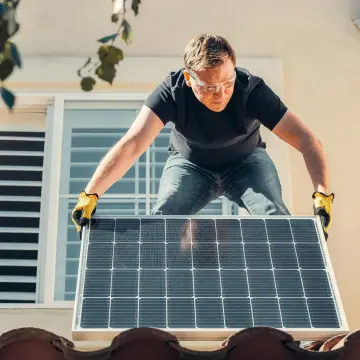
Once the design is approved, our certified technicians handle the installation. Panels are mounted securely, wiring is done safely, and the inverter and batteries are set up for efficient operation. The system is then tested and commissioned to confirm everything works as intended.
After installation, support continues through maintenance checks and troubleshooting to keep your system performing well over time.
FAQ 13: How much does solar power cost in Nigeria, and what factors influence the price?
In Nigeria, the cost of a complete solar power system typically ranges from ₦1.5 million to ₦10 million or more, depending on the size of the system and how much power you need.
For smaller homes or basic power needs, systems usually start around ₦1.5–₦3 million. Medium-sized homes and small businesses often fall between ₦3–₦5 million, while larger homes, estates, and commercial setups can range from ₦6–₦10 million+.
Several key factors influence the final price:
System size: Larger systems need more panels, batteries, and a higher-capacity inverter.
Battery storage: Lithium batteries cost more upfront but last longer and provide better long-term value than lead-acid options.
Inverter quality: Hybrid inverters designed for Nigeria’s grid conditions are more expensive but deliver steadier power and better protection.
Panel type and quantity: Higher-efficiency panels reduce space needs and improve performance but affect cost.
Installation complexity: Roof type, wiring distance, mounting structure, and site conditions all play a role.
While solar requires an upfront investment, it replaces ongoing fuel costs and reduces electricity bills, turning unpredictable energy expenses into a stable, long-term solution.
FAQ 14: What kind of maintenance does a solar power system require?
Solar power systems are low-maintenance, but regular care helps them deliver steady power for many years.
The most important task is cleaning the panels. Dust and harmattan particles can reduce output by up to 30% if left unchecked. Cleaning every 3–6 months, and more often during dusty periods, helps keep energy production steady.
Inverters and batteries need simple attention too. Inverters should be installed in a cool, well-ventilated area to avoid heat buildup. Lithium batteries require very little maintenance, while lead-acid batteries benefit from occasional checks to keep them healthy.
An annual professional check helps spot loose connections, worn protection devices, or early performance drops before they affect your power supply.
FAQ 15: Are there any government incentives or financing options for solar in Nigeria?
Solar power works best when installation is done right from the start. System size and design affect cost, with typical setups ranging from small home systems to larger installations for businesses and estates.
Maintenance is light but important. Panels need periodic cleaning—especially during harmattan—and batteries and inverters should be checked occasionally to keep performance steady.
Over time, solar delivers strong value. Most systems pay for themselves within 3–5 years by reducing fuel and electricity costs, while quality components are built to last for decades.